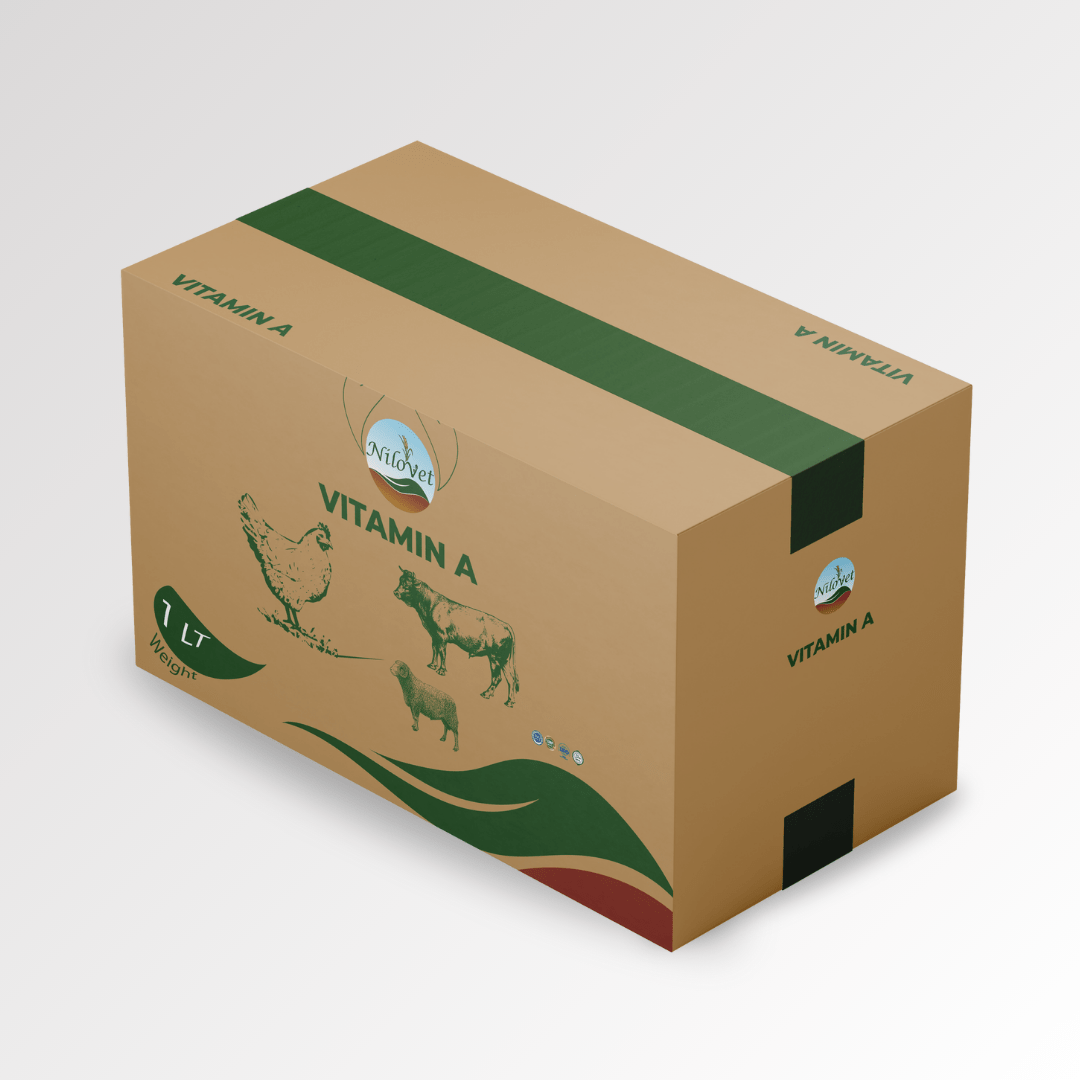
- Vitamin A is essential for vision, growth differentiation and proliferation of a wide range of epithelial tissues, bone growth, reproduction and embryonic development.
- The tolerance data for the target species do not indicate a concern for animal safety considering the maximum values set in EU regulations for food producing animals and also for pets.
- All consumer exposure calculations demonstrated that liver is the only food of animal origin for which consumption poses a risk to adult consumers.
- This risk could be considerably reduced, but not eliminated, if the new levels proposed by EFSA for a reduction of the maximum vitamin A content of feeding stuffs were respected.
- These proposals are:
- Poultry: chickens (including all minor poultry species) in the first 14 days of life and turkeys in the first 28 days of life 20 000 IU/kg complete feed;
- All poultry (for fattening, reared for laying, laying and breeding) 10 000 IU/kg complete feed.
- Milk replacers for all mammalian species: 25 000 IU/kg milk replacer.
- Calves for rearing in the first four months of life, lambs and kids for rearing in the first two months of life 16 000 IU/kg complete feed; cattle, sheep and goats for fattening 10 000 IU/kg complete feed.
- Dairy cows: 200000 IU vitamin A per cow per day.
- Rabbits, horses, salmonids and pets: no maximum content is proposed.
- Vitamin A is required for normal growth and development.
- Vitamin A (in physiological concentrations) stabilizes the cell membrane, stimulates the synthesis of certain proteins by acting on transcription and possesses an electron transfer capacity.
- Vitamin A is essential for vision, growth differentiation and proliferation of a wide range of epithelial tissues, bone growth, reproduction and embryonic development.
- Vitamin A is present in the diet as preformed vitamin A and its esters, and it can also be derived from dietary carotenoids, mainly beta-carotene.
|